
Grow Your Faith
BECOMING CATHOLIC
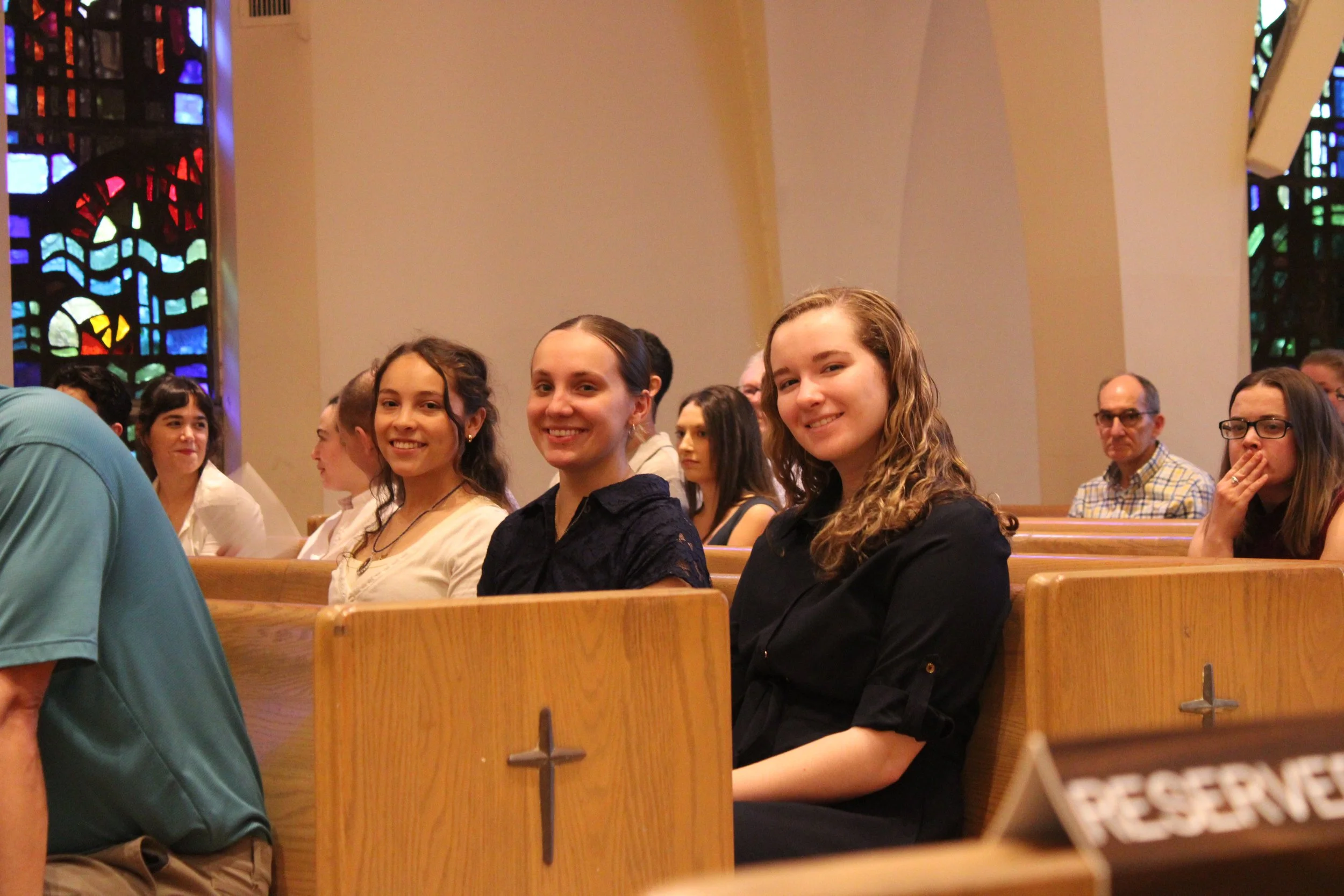
Becoming Catholic is a profound choice to order one’s life fully to God the Father through His Son, Jesus Christ within the Catholic Church founded by Jesus, and guided by the Holy Spirit. If you are considering taking this step, or are just thinking about it, we would be delighted to speak with you and to learn more about your journey thus far.
Religious questions are directed towards what is most real and true and human. Religious inquiry asks the question of which world-view or set of ideas can most comprehensively shed light on this mysterious and beautiful and heart-wrenching thing we call life. We believe that Jesus Christ most fully shines the light of truth and love onto this mystery, and that He has entrusted this Light of Faith to the Catholic Church in order to safeguard and pass on this light. It is a light that takes nothing away from what it means to be human. On the contrary, to come to know and love Jesus Christ and His Catholic Church is to become more human, by becoming more like one’s Creator and Redeemer.
To learn more about becoming Catholic, please email our campus minister, Rae Grabowski at rae@gwcatholic.com.
The Practicals. The process to become Catholic is called OCIA: the Order of Christian Initiation for Adults. This occurs in a series of weekly lectures and discussions that take place at the Newman Center beginning in the Fall and culminating in the reception of the Sacraments of Initiation at the Easter Vigil liturgy in the Spring (usually around the beginning of April). Receiving the Sacraments of Initiation is what makes someone a Catholic. They are Baptism, Confirmation, and Holy Communion.
What if I’m already baptized but not confirmed? No problem! It is a common situation that someone was baptized either in the Catholic Church or another Christian denomination and now seeks to be fully initiated into the Catholic Church. For both of these situations, OCIA is for you!
SACRAMENTS
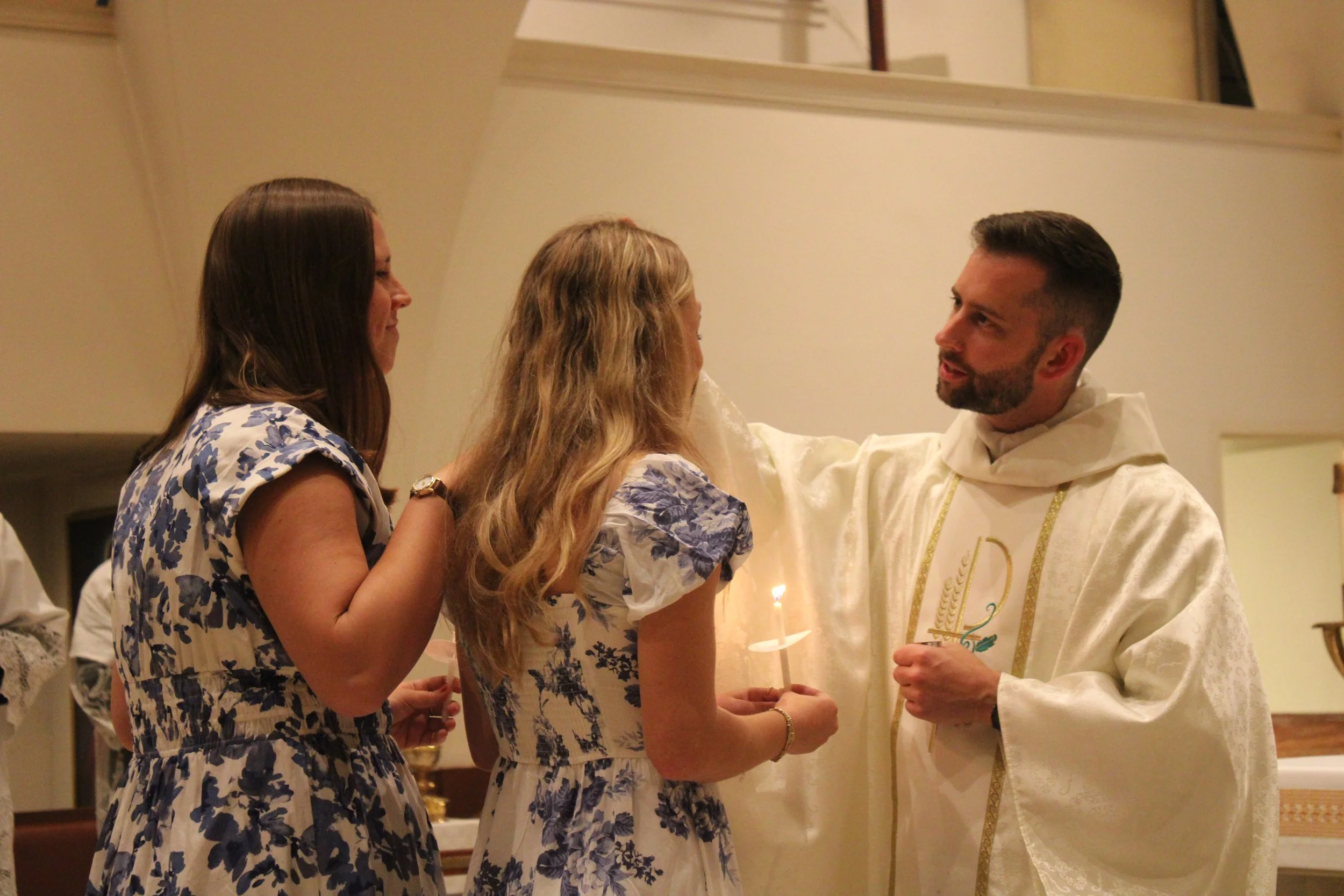
The Sacrament that pours out the gifts of the Holy Spirit into the hearts and souls of those who receive it; equipping them especially to witness to the Gospel and Jesus Christ and make that known in love to all those they meet.
Confirmation
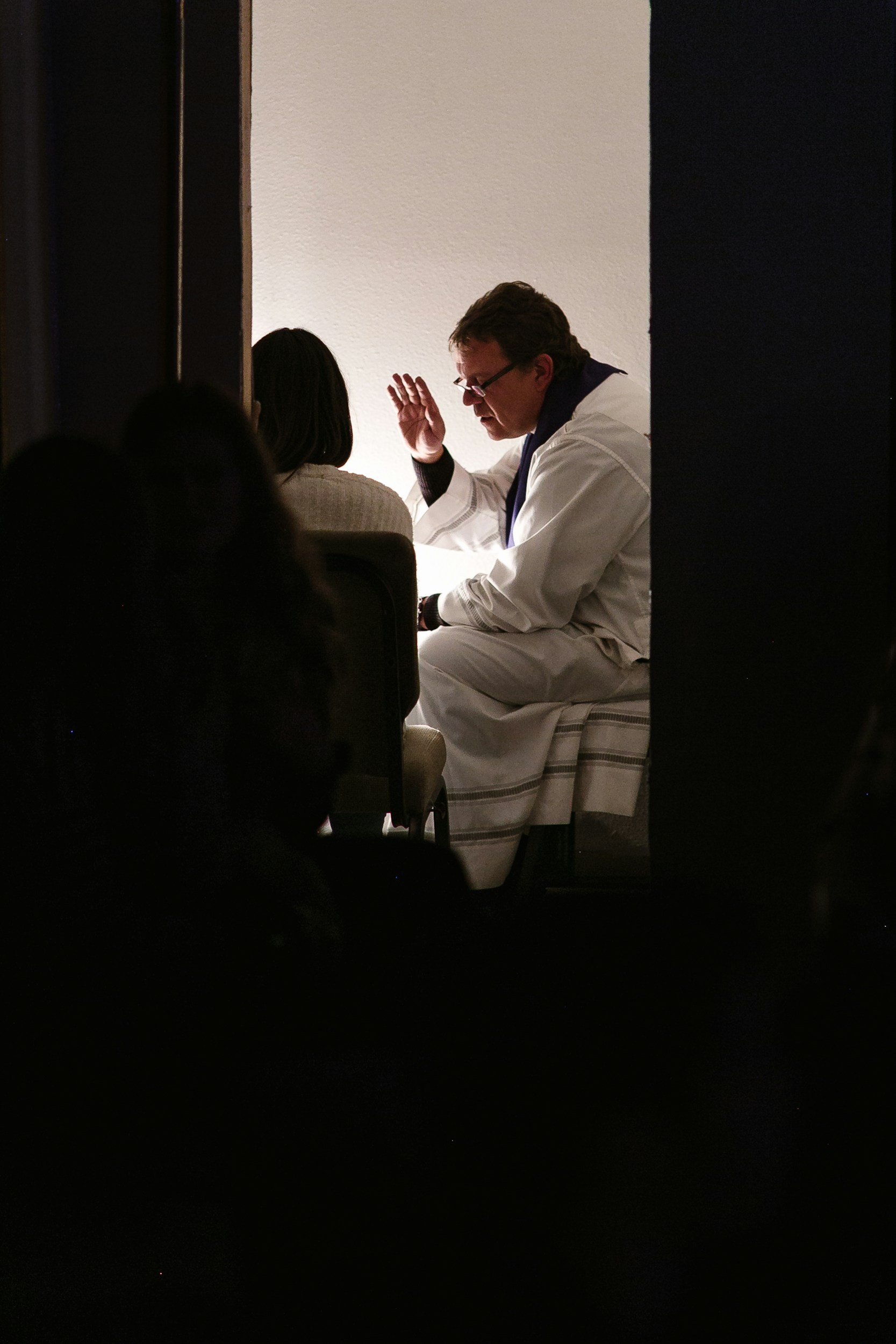
Jesus gave his Apostles the power to forgive sins (John 20:23; Mt 16:19; Mt 18:18). If Jesus gave them the authority to forgive sins, then it reasonably follows that Jesus wanted them to exercise this authority: to actually forgive sins in His Name and through His Power. Confession to a priest is the ordinary manner in which this takes place. Confession expresses the great desire of Jesus to reconcile everyone to the Father. For serious sins (called mortal sins) reconciliation must take place before communion. This, again, is reasonable. When a serious offense has been committed against someone, forgiveness and reconciliation logistically and necessarily precedes any genuine communion between the two. The same is true with our relationship to Jesus: we receive forgiveness first and then find union with Him through Holy Communion.
Confession
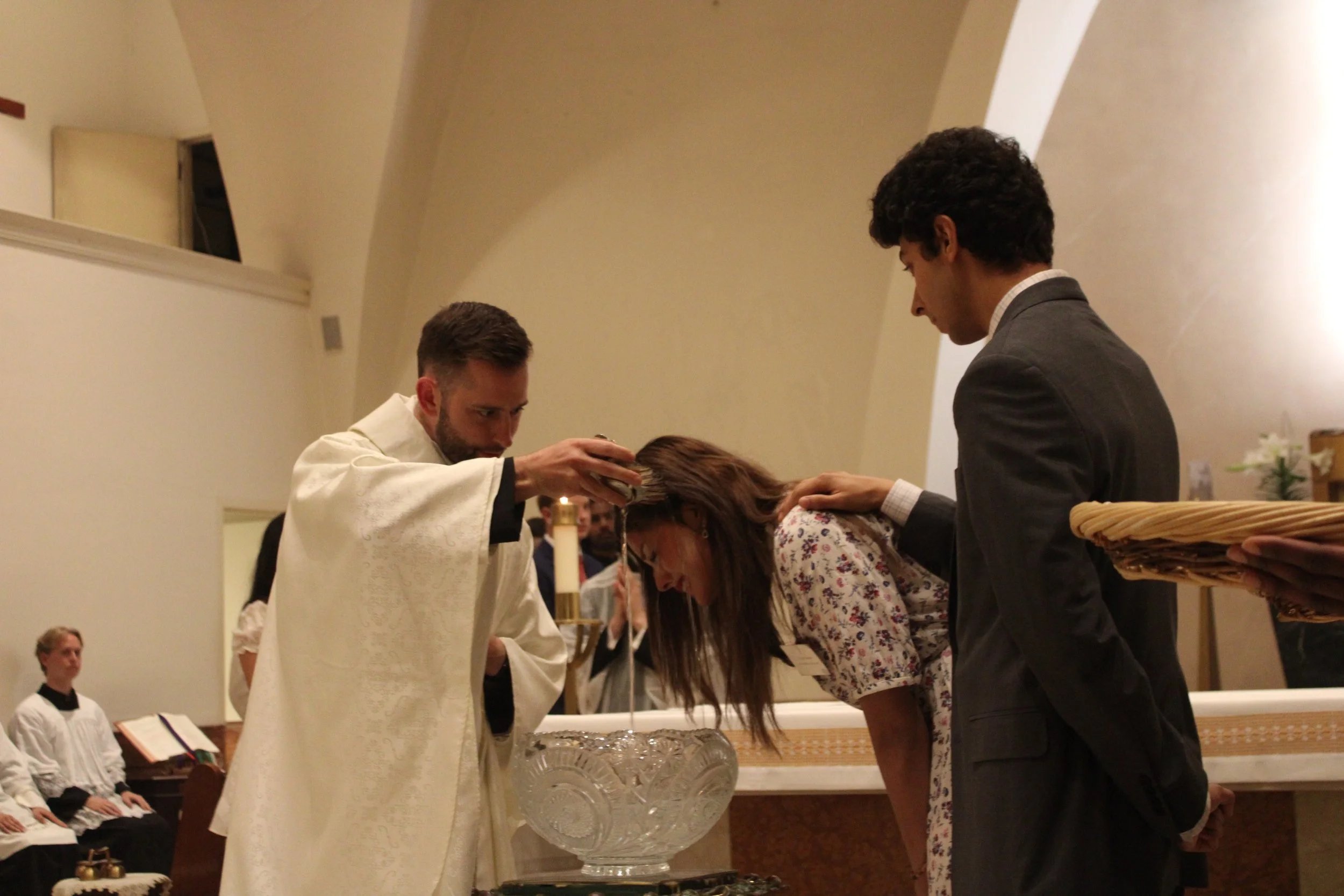
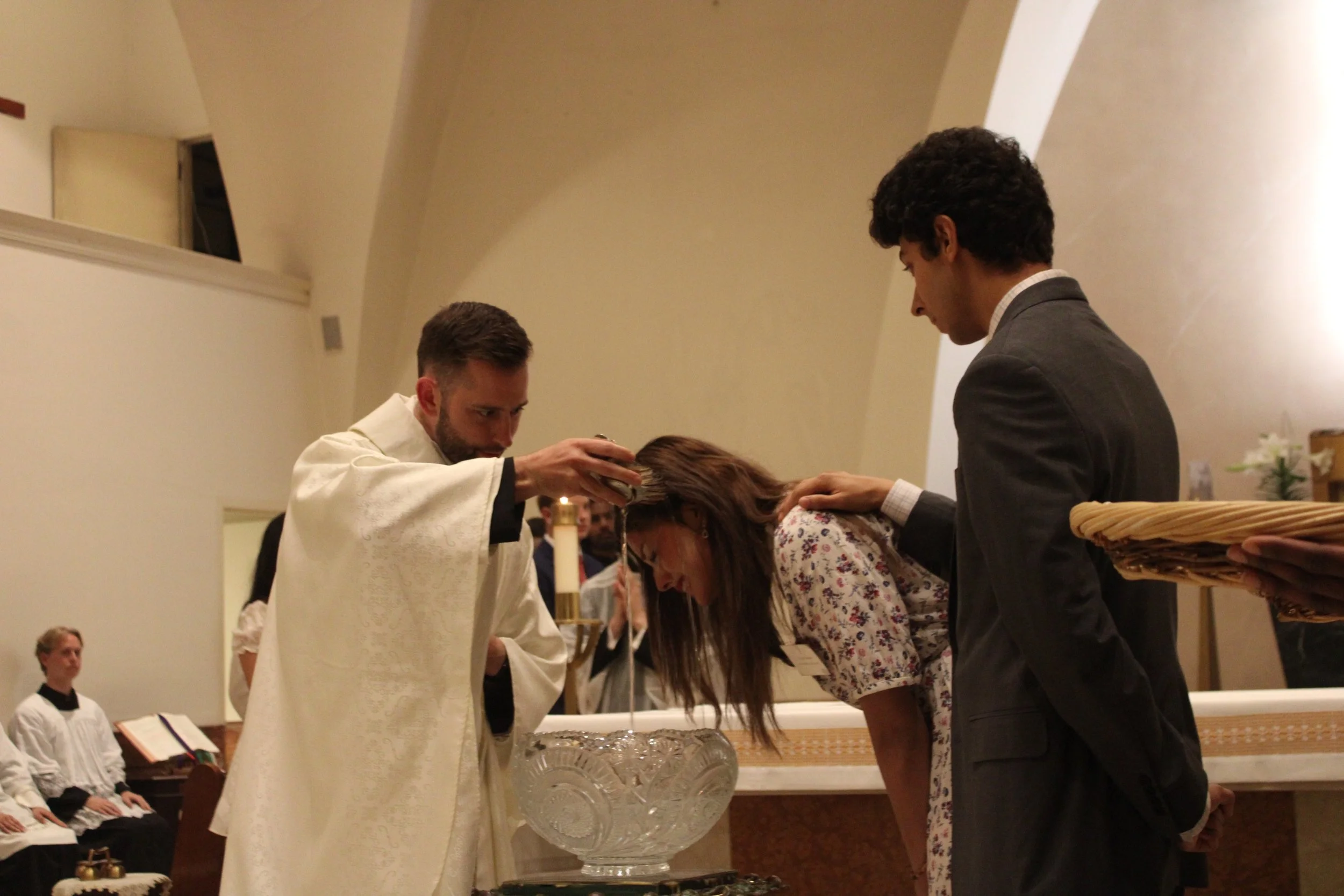
The Sacrament that removes Original Sin, and makes someone a son or daughter of God the Father. It relates someone to God in a personal and familial sense, so that those baptized become sons and daughters of God in and through our relationship with Jesus Christ. It extends the saving power of Jesus’ sacrifice on the Cross to each individual in a personal way.
Baptism
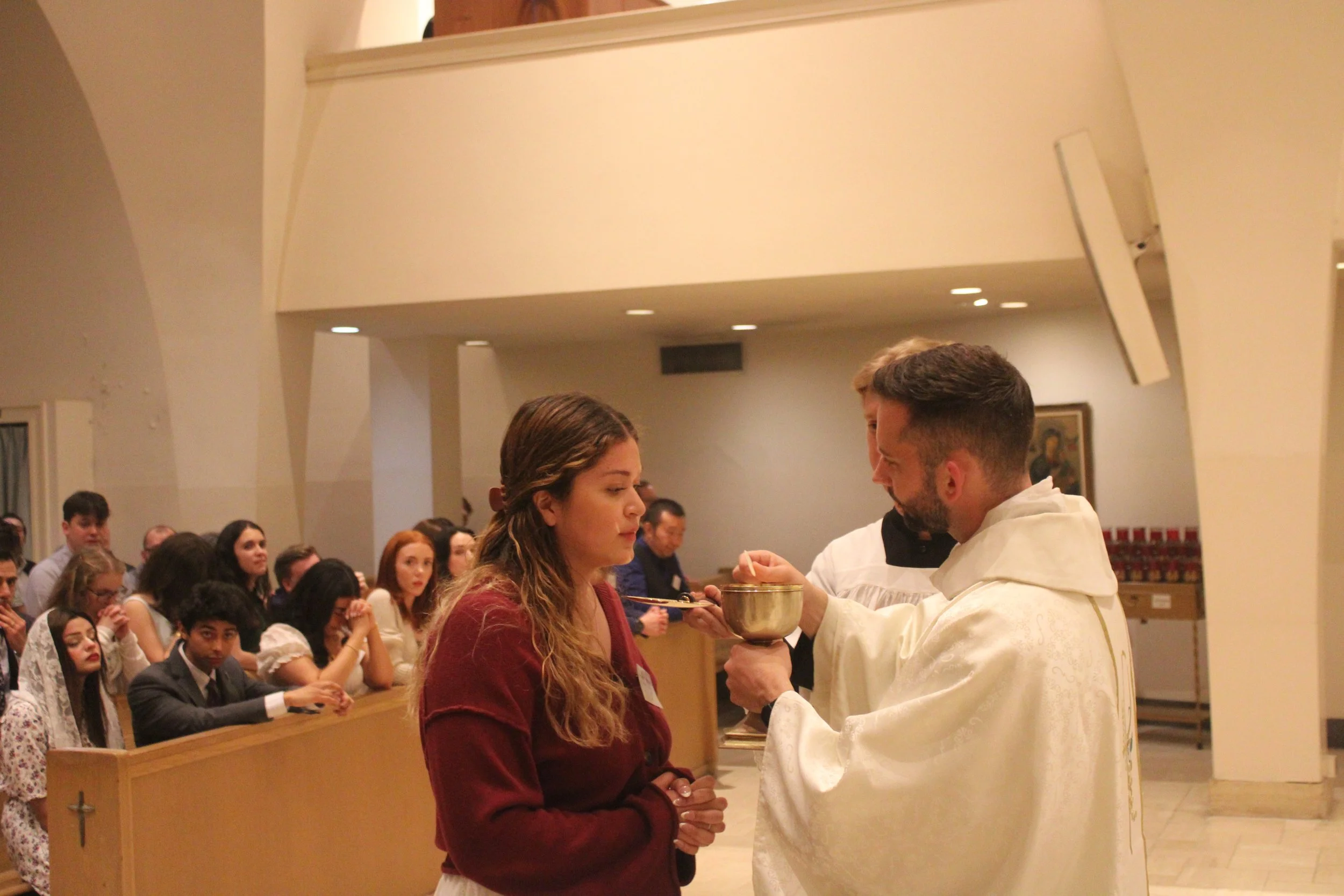
This Sacrament takes place within The Holy Sacrifice of the Mass. This is the source and summit of the Catholic Faith. Why? Because it is the Mass that makes present here and now the saving effects of Christ’s Sacrifice: His Passion, Death, and Resurrection. The infinite merit of his one and unique sacrifice is made present again at each Mass. A sacrifice is always ordered towards communion. This is preeminently true with the Holy Mass. Holy Communion is when someone receives the Sacred Body and Blood of Christ under the appearance of Bread and Wine. It is the most sacred action a Catholic can do. It communicates union with the person of Jesus Christ and through this union with Christ the Head, each Catholic finds communion with the whole Church, the Body of Christ. It is a great mystery.
Holy Communion
Adoration
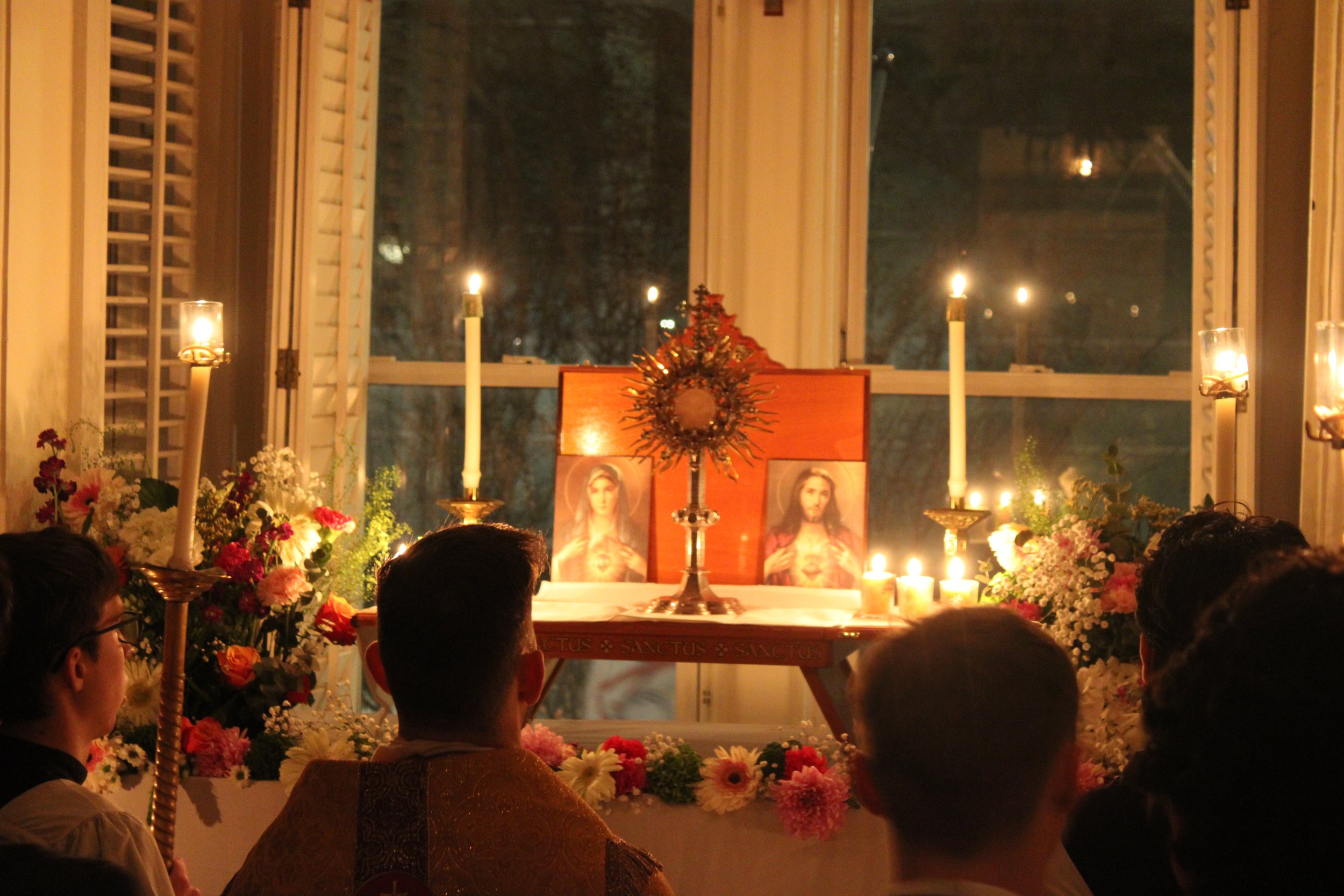
This is a sacred time of prayer before Jesus present in the Holy Eucharist. It grew naturally from the desire of the faithful to adore Jesus when the priest elevated the Eucharist during Mass. Adoration is, so to speak, an ‘extension’ of that moment during the Mass, wherein the faithful gather to spend intimate and silent time before Jesus Christ. Adoration has repeatedly been the cause of tremendous graces, conversions, healing, peace, and strength for millions of people. If you are faithful to praying to Jesus at Church and especially during Adoration, you will be changed for the better. One can only spend so much time in the light before beginning to shine.
Adoration is every weekday from 5:00pm - 6:00pm during the Academic Year
Sacrament Schedule
offered only during the Academic Year.
Daily Mass: 6:10pm M-F @ Newman
Sunday Mass: 5:30pm @ St. Stephen Martyr; 9:00pm @ Newman
Adoration: 5:00pm - 6:00pm M-F
Confessions: 5:30-6:00pm M-F